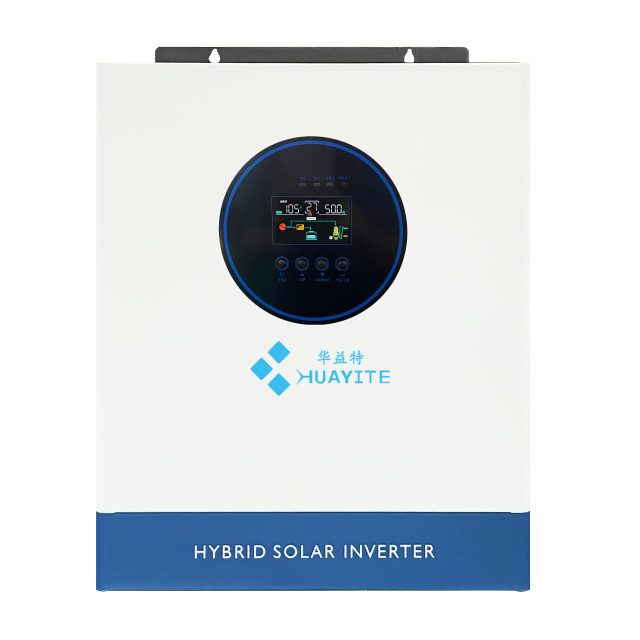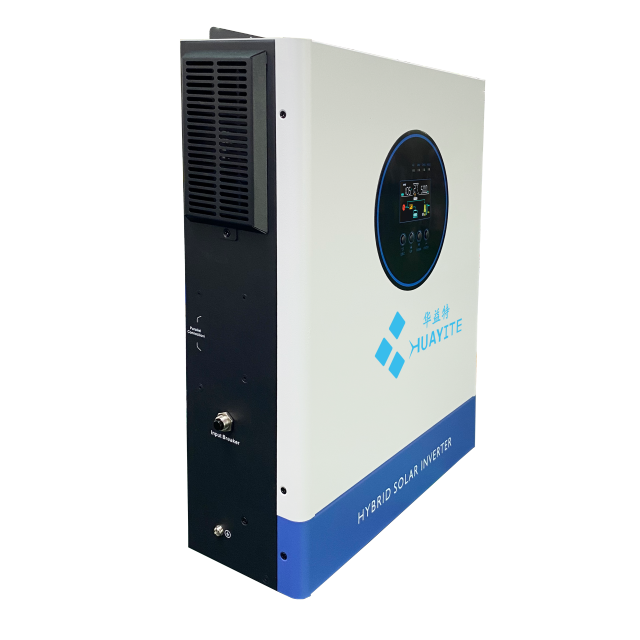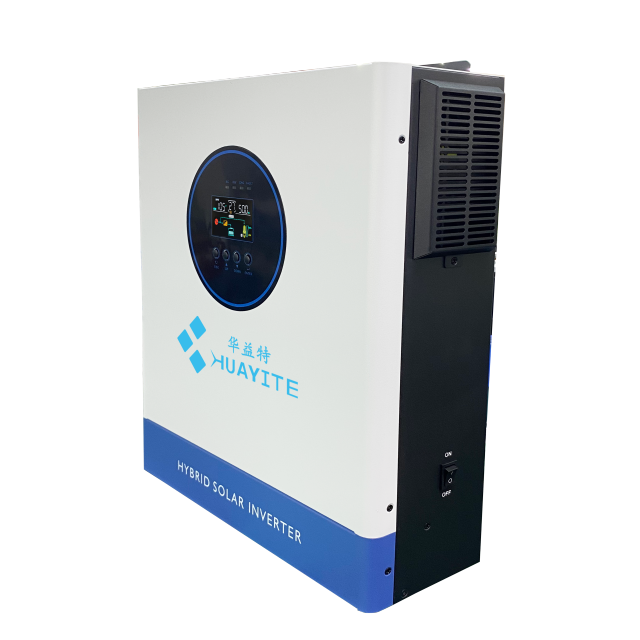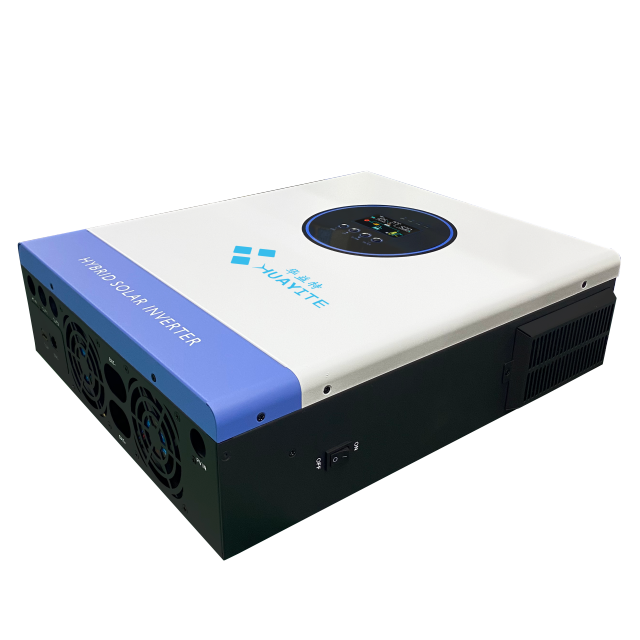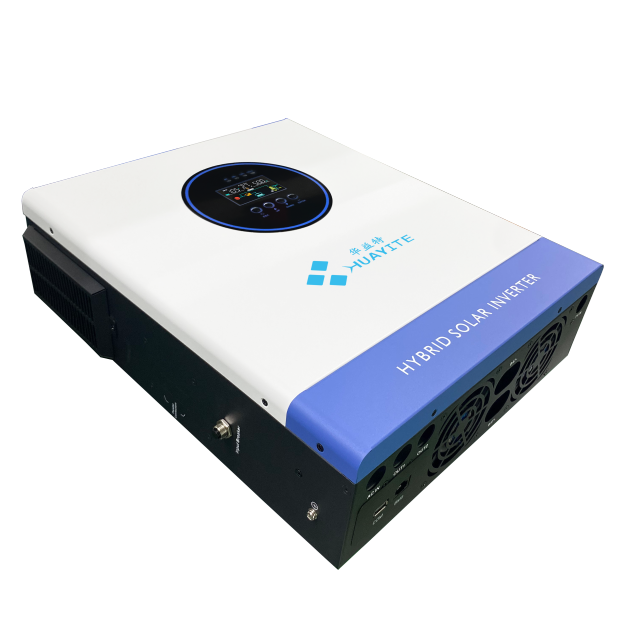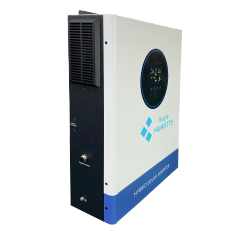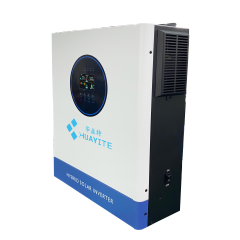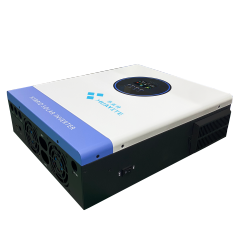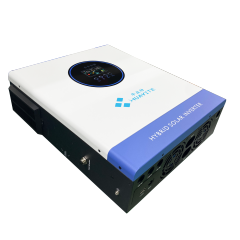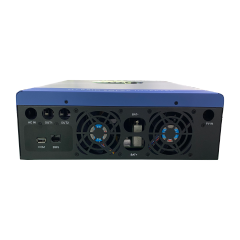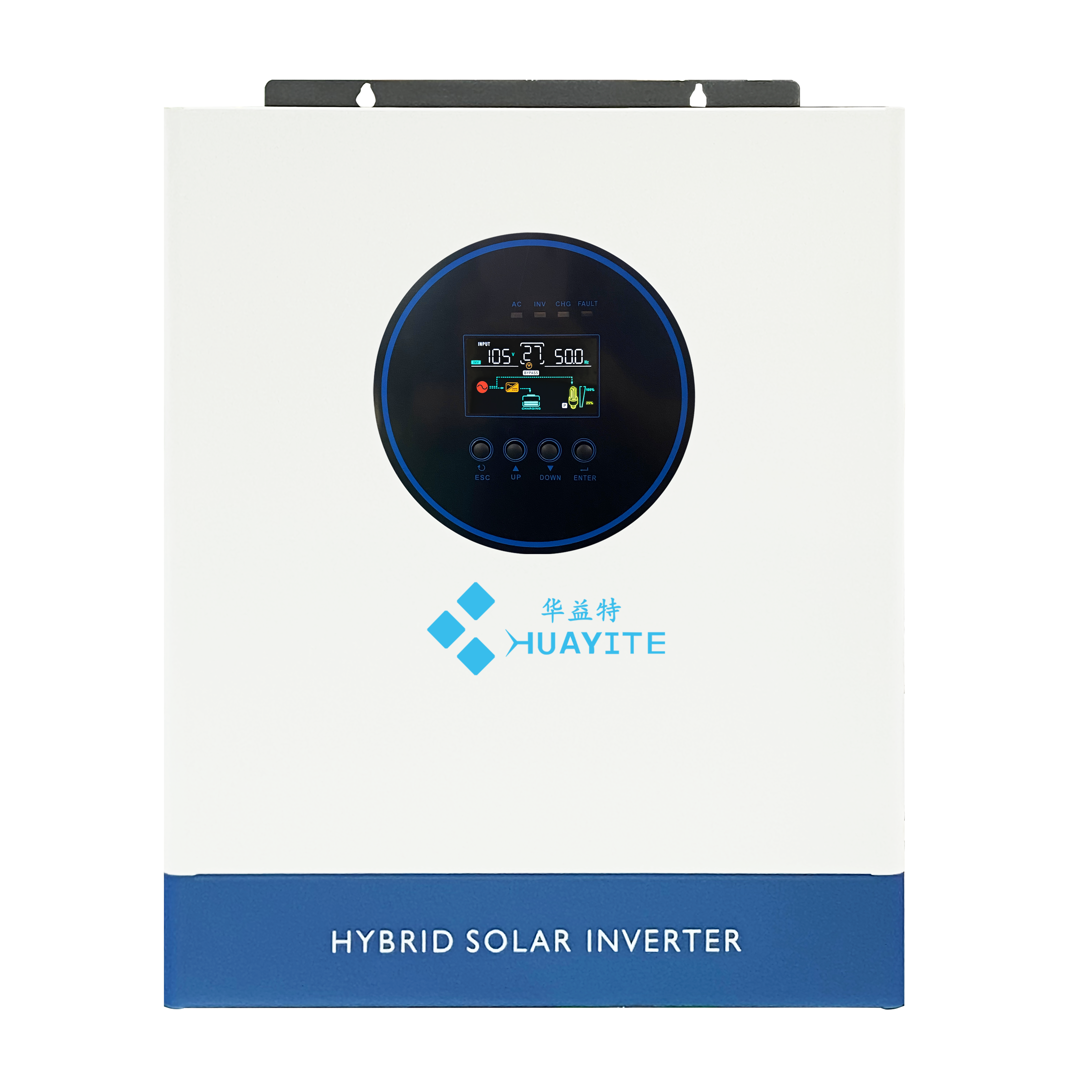
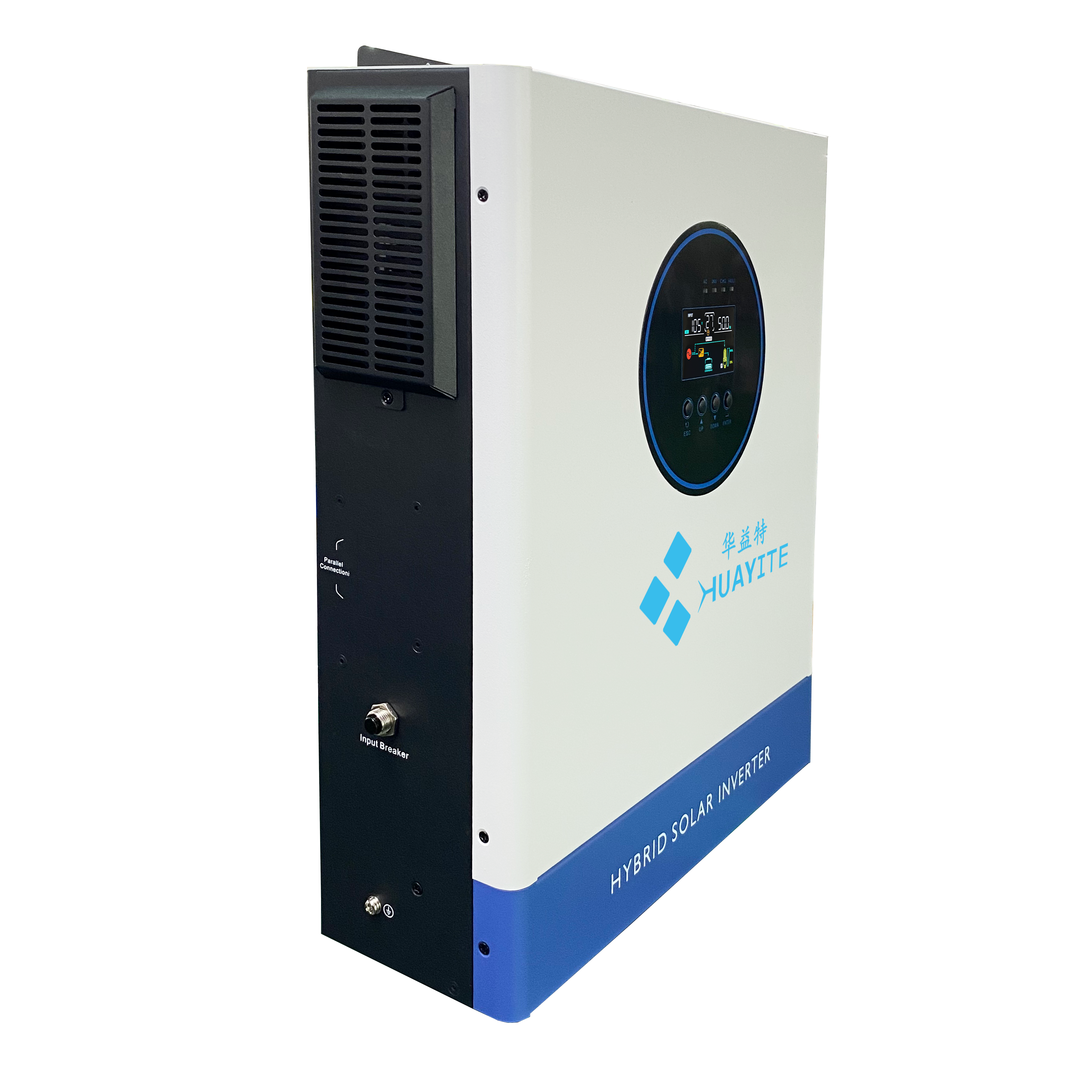
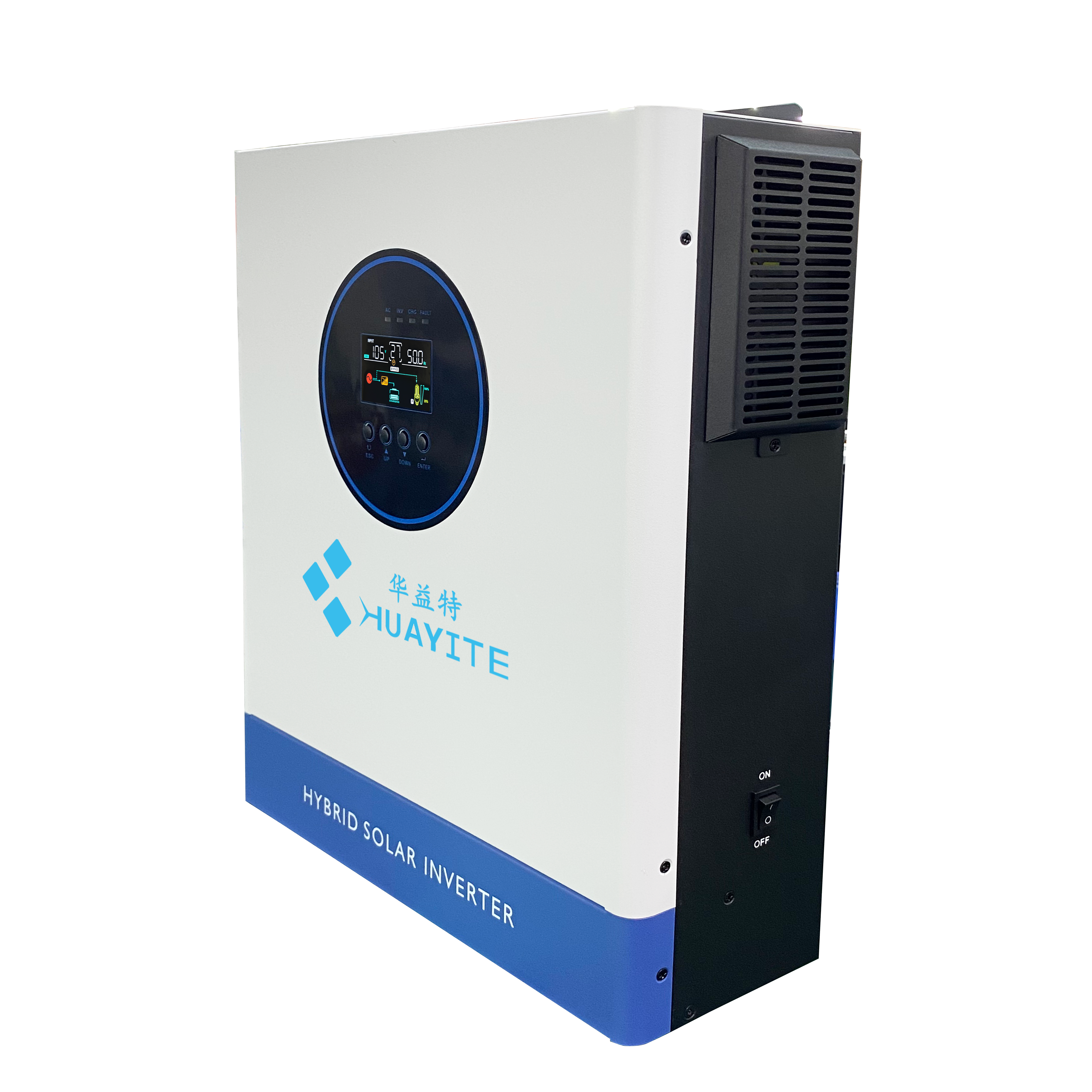
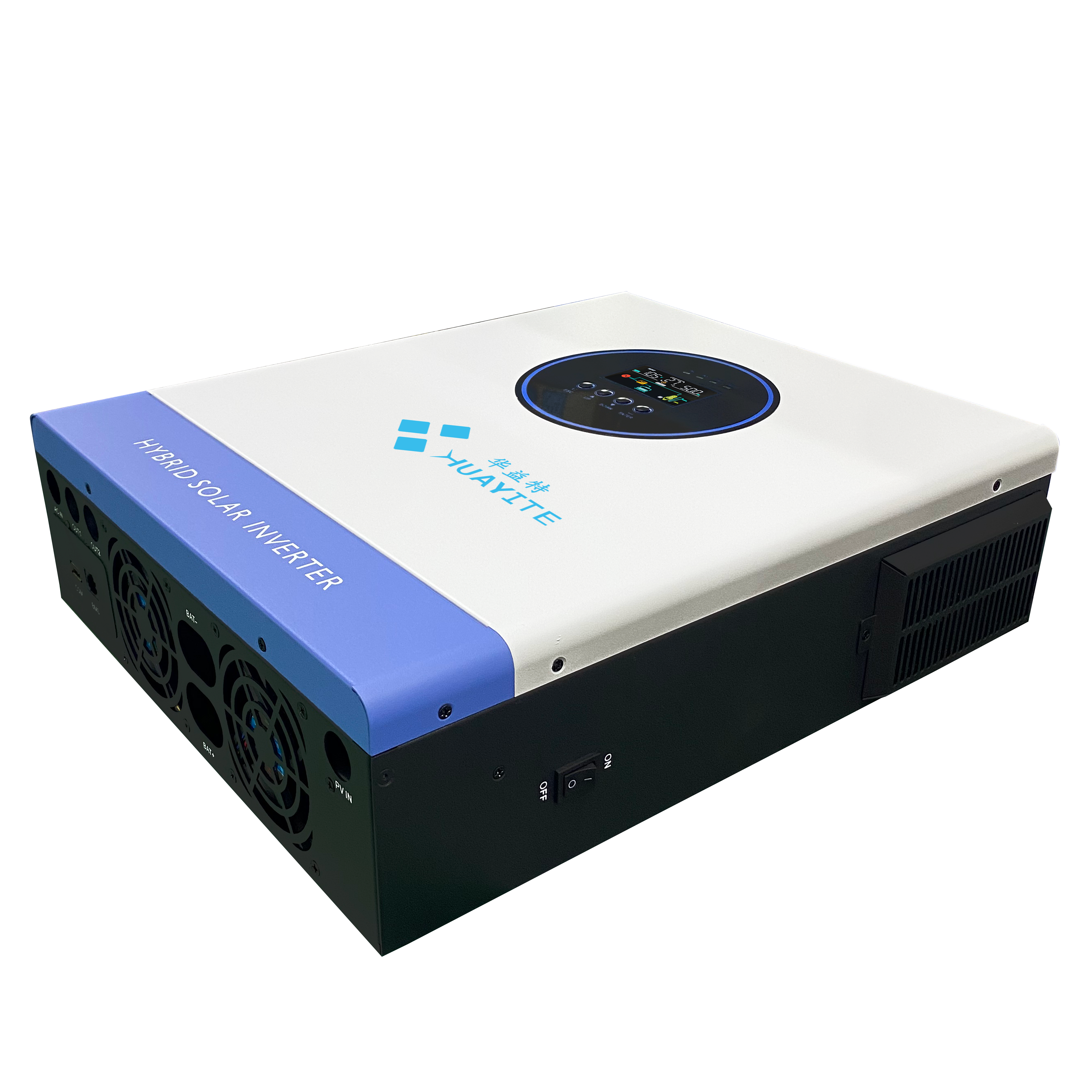
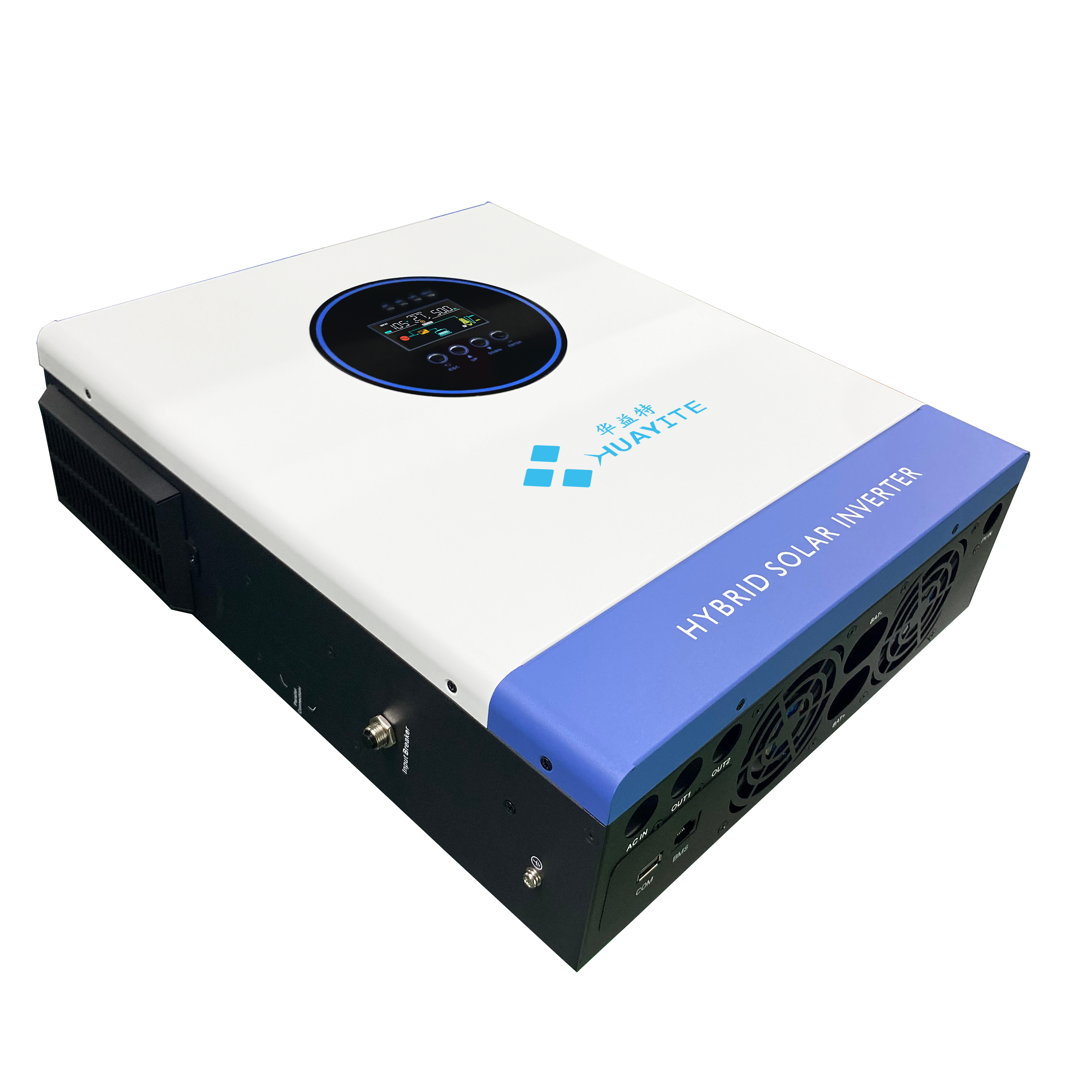
• HP-PV Series 3.6kw-10.2kw Off-grid high frequency hybrid inverter
  • HP-PV Series 3.6kw-10.2kw Off-grid high frequency hybrid inverter
  • HP-PV Series 3.6kw-10.2kw Off-grid high frequency hybrid inverter
  • HP-PV Series 3.6kw-10.2kw Off-grid high frequency hybrid inverter
  • HP-PV Series 3.6kw-10.2kw Off-grid high frequency hybrid inverter
  • HP-PV Series 3.6kw-10.2kw Off-grid high frequency hybrid inverter
  • HP-PV Series 3.6kw-10.2kw Off-grid high frequency hybrid inverter
  • HP-PV Series 3.6kw-10.2kw Off-grid high frequency hybrid inverter
  • HP-PV Series 3.6kw-10.2kw Off-grid high frequency hybrid inverter
  • HP-PV Series 3.6kw-10.2kw Off-grid high frequency hybrid inverter
  • HP-PV Series 3.6kw-10.2kw Off-grid high frequency hybrid inverter
  • HP-PV Series 3.6kw-10.2kw Off-grid high frequency hybrid inverter

HP-PV Series 3.6kw-10.2kw Off-grid high frequency hybrid inverter

No.HP-PV Series

The inverter runs without battery.

Restore factory Settings with one click.
Built-in lithium battery automatically activates built-in 120a-160a MPPT solar charger.
Built-in anti-dusk kit for output touch buttons in harsh environments.
Dual output touch button.
WFl/ GPRS remote monitoring 
  • HP-PV Series 3.6kw-10.2kw Off-grid high frequency hybrid inverter
  • HP-PV Series 3.6kw-10.2kw Off-grid high frequency hybrid inverter
  • HP-PV Series 3.6kw-10.2kw Off-grid high frequency hybrid inverter
  • HP-PV Series 3.6kw-10.2kw Off-grid high frequency hybrid inverter
  • HP-PV Series 3.6kw-10.2kw Off-grid high frequency hybrid inverter
  • HP-PV Series 3.6kw-10.2kw Off-grid high frequency hybrid inverter

Description

Product Overview

HET's high-frequency off-grid hybrid inverter is built around one idea: the array, the battery bank, the AC feed and the loads should all meet in a single wall-mounted chassis. Five ratings cover everything from a single-phase house to a light commercial site, and each one is a complete front end — solar charging, AC charging, changeover and inversion — rather than one link in a chain of boxes. For an off grid solar inverter charger, that combination is what most projects actually need.

Nothing in the design assumes a battery is always present. A site can start as an off grid solar inverter without battery: the array connects to the PV terminals, the built-in charger manages it, and the inverter feeds the loads directly, with output following whatever the PV can deliver. Add a bank later and the same chassis becomes a storage system, because the DC terminals, the charging profile and the display are already there.

Deployment is deliberately plain. Hang the bracket, land the PV, battery and AC conductors on labelled terminals, set the battery chemistry and go. The front panel carries the display and five buttons, so everything the installer needs during commissioning sits on that panel — no laptop, no configuration file, no service dongle. A one-click factory reset returns a unit to known settings after someone else has reconfigured it on site.

The buyers this suits are distributors and integrators equipping off-grid houses, small commercial premises, clinics, workshops and remote equipment sites — places where the load is real but the grid is not, and where the specification is decided by what runs overnight rather than by what the peak meter shows.

HP-PV Series 3.6kw-10.2kw Off-grid high frequency hybrid inverter
Diagram of solar inverter connected to panels, utility, generator, battery, and appliances.

Advanced Features

  • Anti-backflow connection — where the AC input must never receive exported power, the anti-backflow function holds the inverter back so nothing is pushed upstream into the utility or into a standby generator. - MPPT tracking up to 99.9% — the MPPT solar inverter stage sweeps the array continuously instead of sitting at a fixed voltage, so harvest holds up through haze, passing cloud and the voltage drop that comes with a hot afternoon. - A display that answers questions on site — the front panel carries the LCD plus AC, INV, CHG and FAULT indicators, with ESC, UP, DOWN and ENTER buttons; input voltage, output voltage and frequency are readable without a laptop or a manual. - Pure sine wave, isolated output — a clean sine wave with isolation between the DC and AC sides keeps compressors, pumps and motors from disturbing the electronics on the same circuit, and keeps the waveform acceptable to equipment that checks it. - Nothing to negotiate between brands — the charging stage and the inverter run the same firmware and the same settings sheet, so there is no compatibility question between an inverter and a controller bought elsewhere; buyers who would otherwise take the charger end from separate MPPT solar hybrid inverter suppliers get one configuration to learn and to support, with the same settings sheet covering a battery-backed system and an off grid solar inverter without battery. - Remote management (optional) — RJ11, RJ45, RS232 and RS485 ports support wired control, logging and cloud gateways, and the WiFi or GPRS module covers sites that are visited monthly rather than weekly. - Dual output control and an anti-dusk kit — the two output circuits are switched from the front panel rather than by rewiring, and the button panel is protected by a built-in anti-dusk kit so it keeps responding on dusty or exposed sites. - A compact, high-frequency chassis — the topology keeps the unit far smaller and lighter than a transformer-based inverter of the same rating, which matters when it has to hang in a corridor, a stairwell, a container office or a cabin wall instead of standing on a floor frame. - One processor sets the whole system — because solar charging, AC charging and inversion are decided by the same controller, the hybrid solar inverter with MPPT charge controller layout means charge-source priority, battery cut-off and changeover threshold cannot disagree with each other the way three separately configured boxes can. - An AC input that tolerates a poor supply — in APL mode the window is wide enough for a grid that sags or drifts without the charger dropping out and restarting, while the narrower UPS window gives tighter protection where the supply is already stable. - Changeover fast enough for running equipment — the transfer time in UPS mode is short enough for computers, routers and control boards to ride through most outages without a restart, and the APL setting trades a little of that speed for tolerance of a rough supply. - Nothing to learn twice — the display, the button logic and the terminal plan are shared across the platform, so a technician who has commissioned one rating already knows the next one, and a support call is about the site rather than about the product. - One platform across the range — every rating in the series shares the same front panel, terminal layout and control logic, so a catalogue line can be quoted, stocked and supported with one manual and one spares list; that consistency is what distributors tend to ask solar inverter suppliers for, and it is how this series is built.

Solar Charging and Battery Management

Solar chargingValue
Charging algorithm3-Step (Flooded Battery, AGM / GEL / LEAD Battery), 4-Step (Li)
Built-in MPPT charger120A to 160A
PV array MPPT voltage range10~120 VDC
Maximum PV array open-circuit voltage120VDC / 150VDC / 500VDC
Parallel mode maximum PV open-circuit voltage120VDC / 150VDC / 500VDC
Maximum PV input current16A*2
Maximum PV array power800w*2(1600W)
Maximum solar + AC charge current0–60A / 0–100A / 0–150A
Lithium battery activationAutomatic

Model Range and Weights

ModelRated powerSurge powerNet weightGross weight
HET-HP-PV1600W1600VA / 1600W3200W7.5 kg9 kg
HET-HP-PV2400WHET-HP-PV3600W4800W7.5 kg9 kg
HET-HP-PV3600W3600VA / 3600W7200W7.8 kg10 kg
HET-HP-PV5600WHET-HP-PV10000W12000W10.8 kg11.5 kg
HET-HP-PV10000W12000VA / 12000W24000W16 kg17.5 kg

Use Scenarios

  • Weak-grid houses and small shops — where the utility is present but unreliable, an off grid solar inverter with a modest array and bank carries the load and lets the grid top the battery up whenever it appears, so the site stops noticing the outage.
  • Fully off-grid houses and village electrification — no utility at all: an array, an off grid solar battery system and one of these units are the whole plant. Sizing starts from the evening load, works back to the bank, and only then to the array; getting that order wrong is the usual reason a first installation disappoints.
  • Clinics, workshops and light industry — refrigeration, compressors, pumps and power tools draw a starting surge several times their running current, so the surge figure in the model table, not the continuous one, is what the selection should be checked against.
  • Telecom huts and remote equipment sites — enclosures that are typically visited only once a month. Remote monitoring means a charger fault or a falling battery is visible before the next trip, and the unit's tolerance of unheated or poorly ventilated cabinets covers most of these sites.
  • Phased projects — sites that start with lighting and add refrigeration later: a hybrid solar inverter with MPPT charge controller lets the array be extended without changing the inverter, as long as the added PV stays inside the model's array power ceiling.
  • Smaller loads — below this range the HX-PV Series wall-mounted inverter covers 350–1200 W from the same 24V/48V battery banks, so a single-room backup or a small cabin does not have to be over-bought.

Specifications

SpecificationValue
Nominal battery system voltage24VDC / 48VDC
WaveformPure sine wave
AC voltage regulation (battery mode)230VAC ±5% (setting)
Inverter efficiency (peak)>92%
Transfer time10ms (UPS / VDE4105) / 20ms (APL)
AC input voltage230VAC ±5%
Selectable AC input range170–280VAC (UPS) / 90–280VAC (APL)
AC input frequency range50Hz / 60Hz (auto sensing)
Normal battery voltage24VDC / 48VDC
Floating charge voltage27.4VDC / 54VDC
Overcharge protection30VDC / 63VDC

Installation and Commissioning

  1. Check the site before anything is unpacked: the operating range is -15 °C to 55 °C and 5% to 95% relative humidity, non-condensing, with storage from -25 °C to 60 °C if the unit will sit in an unheated store first.
  2. Fix the wall bracket and hang the chassis. Machine dimensions run from 360×280×130 mm on the smaller models to 460×305×115 mm on the largest, so mark the position from the actual unit rather than from a drawing.
  3. Leave clearance at the side ventilation grille and the cooling fans — the fans need an unobstructed path across the heatsink, and a bracket fitted tight into a corner defeats them.
  4. Wire the PV array to PV IN through its own DC breaker and check the array's open-circuit voltage on the coldest expected morning against the ceiling for your model. On this off grid solar inverter charger the PV terminals feed the built-in MPPT stage directly, so there is no controller to wire in series.
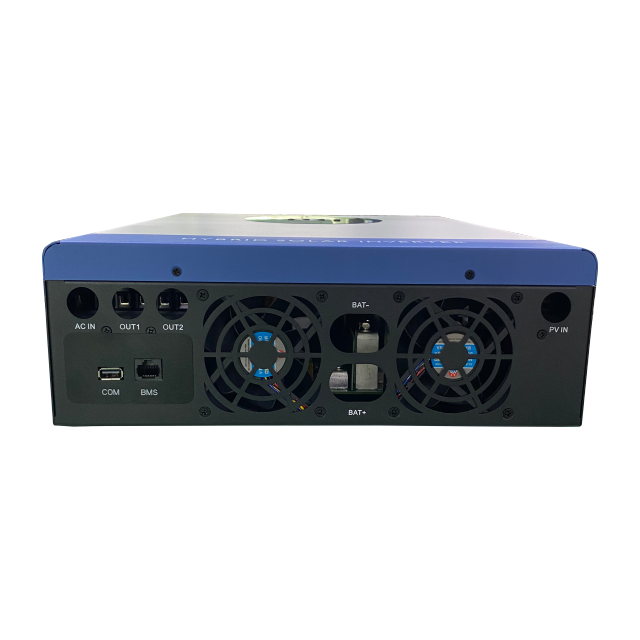
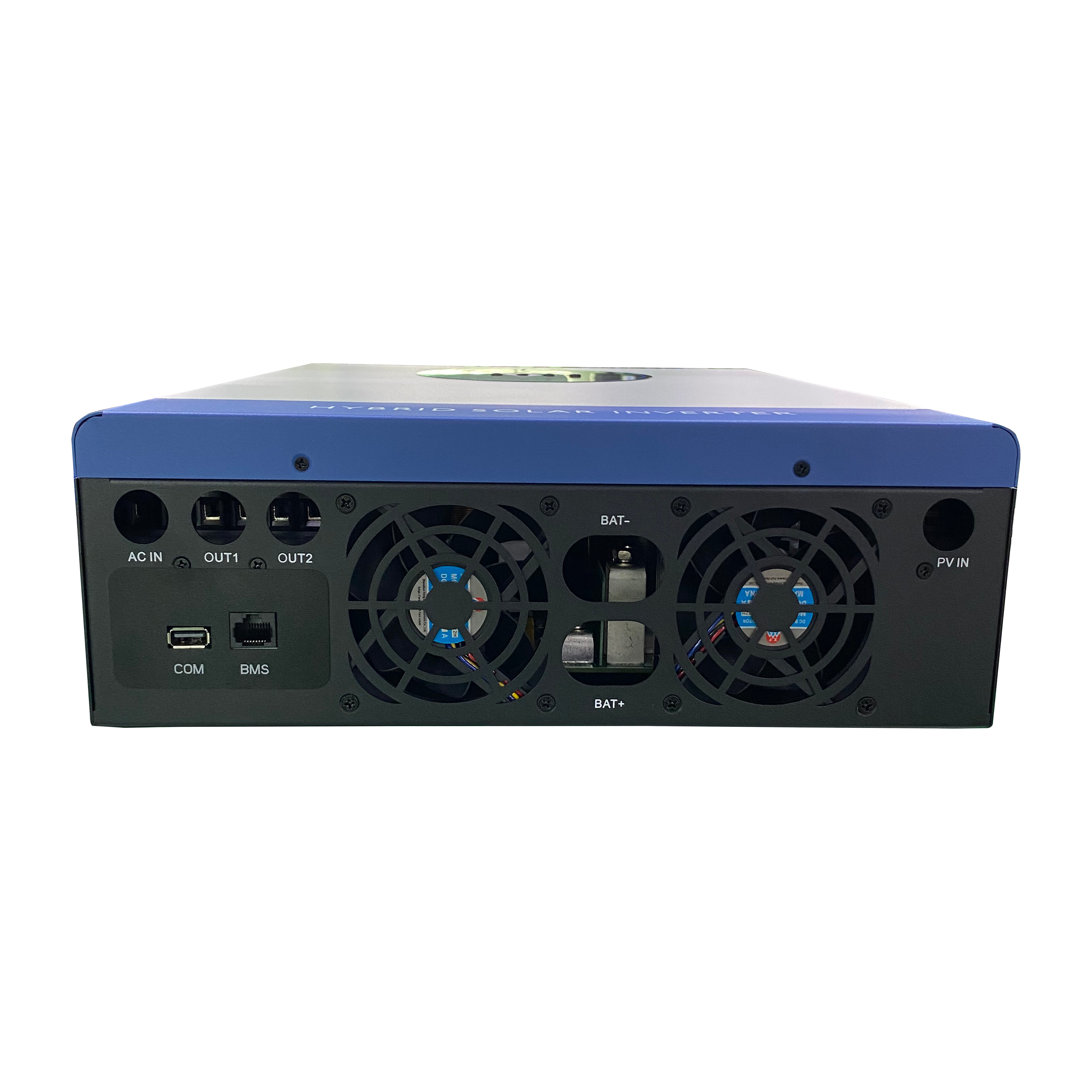
  5. Land the battery on BAT+ and BAT− with the polarity checked twice, and connect the BMS communication pair on lithium packs that provide one.
  6. Connect the AC input — utility or generator — and choose the input window: the narrower UPS setting for a stable supply, the wider APL setting for a weak one. An undersized generator will trip the input before it trips the inverter.
  7. Connect the loads to AC OUTPUT, splitting them across OUT1 and OUT2 where you want the front-panel button to control one group independently of the other.
  8. Power up, set the charging profile to match the battery on site, and check the float and overcharge values against the battery maker's sheet before the load is connected.
  9. If the site runs without storage, commission it the same way and check that the load stays inside what the array delivers at midday — an off grid solar inverter without battery will drop out as irradiance falls, which is normal but has to be explained to the end user.
  10. - PV input — the array lands on the PV IN terminals through its own DC breaker, and the built-in charger does the rest. Strings are sized to the model's voltage ceiling, so a 120VDC version and a 500VDC version of the same chassis take very different arrays. - Battery and BMS — BAT+ and BAT− take the bank; on an off grid solar battery system built around a lithium pack, the separate BMS port carries the communication pair so the inverter and the pack can agree on charge and discharge limits. - AC input — utility or generator connects to AC INPUT through the input breaker on the chassis, which isolates the feed for service without shutting down the whole distribution board. - AC output — loads leave on AC OUTPUT, with OUT1 and OUT2 available as two separately controlled circuits for priority and non-priority groups. - Parallel connector — a dedicated port links units where the load outgrows a single chassis, and in parallel mode the array voltage ceiling is unchanged. - Power flow — PV and AC each charge the bank through their own stage, while the inverter draws from the DC side and feeds the loads; the MPPT solar inverter stage decides in real time how much of the array's output goes to the load and how much goes into charging.

Documents, Standards and Downloads

Safety and electromagnetic compatibility for this series are declared to CE (IEC62109-1, -2) and EN61000-6-1 / EN61000-6-3. These are product safety and EMC standards, and they are not the same thing as a grid-connection approval for a particular utility. If your project needs a local grid-code document, tell us the destination market when you request the quotation and we will confirm what is available for it before you commit.

The file set we send covers the model you are buying rather than a generic brochure: the datasheet, the user manual, the dimension drawing, the system layout diagram and the certificate copy. Test reports and the clause list behind the declaration are issued on request. Ask your sales contact for the set that matches the market the goods are going to, because customs and utility counters ask for different pieces.

Requests are answered with the file set for your exact model, which matters at customs and at the utility counter. That is usually where the difference between solar inverter suppliers shows up in practice: a compliant unit with an incomplete file set stalls a project just as effectively as a non-compliant one.

One consequence of building the charger into the inverter is that a single certificate and a single manual cover the whole power path. Buyers used to assembling a system from an inverter brand plus a separate controller from other MPPT solar hybrid inverter suppliers end up with two file sets, two warranties and two firmware histories; this unit has one of each.

Ordering, Lead Time and Warranty

  • Lead time — 3–7 days for standard models and 15–30 days for customized orders, counted from confirmation of the configuration rather than from the enquiry. A standard off grid solar inverter charger in a stock configuration takes the shorter window; a customized build moves to the longer one.
  • Warranty — 2-year warranty covering manufacturing defects.
  • What the warranty covers — the scope of the two years, how a faulty unit is handled (repair, replacement or return) and whether extended cover is available are set out in the terms issued with your quotation. Confirm them before the order is placed.
  • Customization — system voltage and power capacity can be set within the series to match a project. Send the specification and we will confirm what is possible on your model before anything is scheduled.
  • Order quantity, payment and Incoterm — confirmed on the quotation for your destination. Ask your sales contact for the figures that apply to your model and market.
  • Packing — units ship in cartons measuring 515×365×175 mm; pallet and container loading are confirmed per order.
  • Order handling — one team covers the quotation, the configuration sheet and the shipping documents, so model, accessories and delivery window are confirmed together rather than in separate threads. On mixed orders, a single point of contact is usually what buyers remember about solar inverter suppliers.

Technical Support & Model Matching

Choosing the right unit for a site starts with a conversation, not a catalogue number. Share your load profile, battery voltage and backup requirement, and our engineers will help you match a model from our full range and confirm the accessories that go with it. The same Shenzhen-based team, with in-house R&D and more than 20 years in the industry behind them, stays with you after delivery: wiring and commissioning guidance, fault diagnosis, and spare-part support for units already in service. For private-label projects, they also handle artwork and specification approvals before production.

FAQ

Will it run with no battery connected at all?

Yes. The unit powers loads from the PV array alone during daylight, with the built-in charger regulating what reaches the DC side. Output is limited to what the array can produce at that moment, so it suits daytime duty — irrigation pumps, workshop lighting, ventilation, a daytime-only cabin — rather than overnight backup. Adding a battery later needs no change to the inverter; the terminals and the charging profile are already there.

Which rating do I need for my load?

Start from the continuous load, then check the surge. The five models run 1600VA/1600W, 2400VA/2400W, 3600VA/3600W, 5600VA/5600W and 12000VA/12000W, with surge ratings of 3200W, 4800W, 7200W, 12000W and 24000W. Motors draw several times their running current at start, so size against the surge figure and leave headroom for everything switching on together. If the site may grow, take the next size up — the off grid solar inverter range shares one platform, so an upgrade is a new chassis rather than a new system design.

Which batteries can it charge?

Lead-acid and lithium on a 24VDC or 48VDC bank. Flooded, AGM, GEL and lead-acid types are charged on a three-step profile with float at 27.4VDC or 54VDC and overcharge protection at 30VDC or 63VDC; lithium uses a four-step profile and is activated automatically at start-up. If you are building an off grid solar battery system around a particular pack, send us its charge voltage and current limits when you enquire and we will confirm the settings against it.

How much PV can I connect, and what string voltage is safe?

It depends on the model. Maximum PV array power is 800W×2 (1600W), 1500W, 4000W, 6000W and 5500W×2 (11000W) across the five ratings; maximum PV array open-circuit voltage is 120VDC, 150VDC or 500VDC depending on version, with a maximum PV input current of 16A×2, 20A, 13A, 22A or 22A×2. Stay inside the MPPT window — 10–120VDC, 10–150VDC or 120–450VDC. The MPPT solar inverter stage only earns its tracking advantage when the array voltage sits comfortably inside that window at normal operating temperature, so check both ends of the string before you fix its length.

How fast is the changeover during an outage?

10 ms in the UPS / VDE4105 configuration and 20 ms in APL. Both are short enough for computers, routers, control boards and most household appliances to ride through without restarting; the UPS setting is the one to choose where the supply is stable and the load includes equipment that cannot tolerate a longer gap. A hybrid solar inverter with MPPT charge controller also keeps charging from PV for as long as the array is producing, so the battery is being refilled during the outage rather than only after it.

Do I still need a separate MPPT charge controller?

No. The charger is built in, rated 120A to 160A, and the array connects straight to the PV IN terminals — no second enclosure, no second set of DC breakers, no second commissioning routine. We build the MPPT charge controller into the inverter itself, which is one of the reasons distributors shortlist us among MPPT solar hybrid inverter suppliers for single-box off-grid kits, and it means the charger, the inverter and the display sit under one warranty instead of two.

Advanced Features

Anti-backflow grid connection function

Advanced MPPT technology, efficiency up to 99.9%.

Clear System Display: LCD+LED

Pure Sine Wave & Isolated Design

Builtin MPPT Solar Charger Controller: 120A

Advanced Remote Management (Optional): RJ11/RJ45/RS232/485


System Diagram

Download