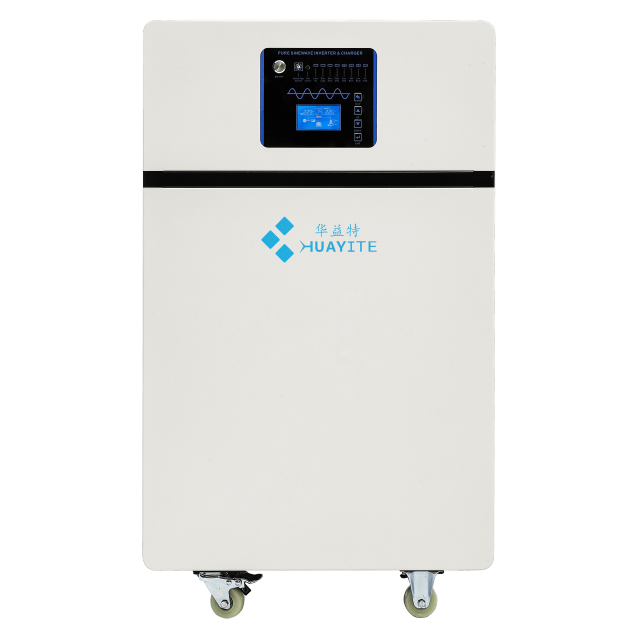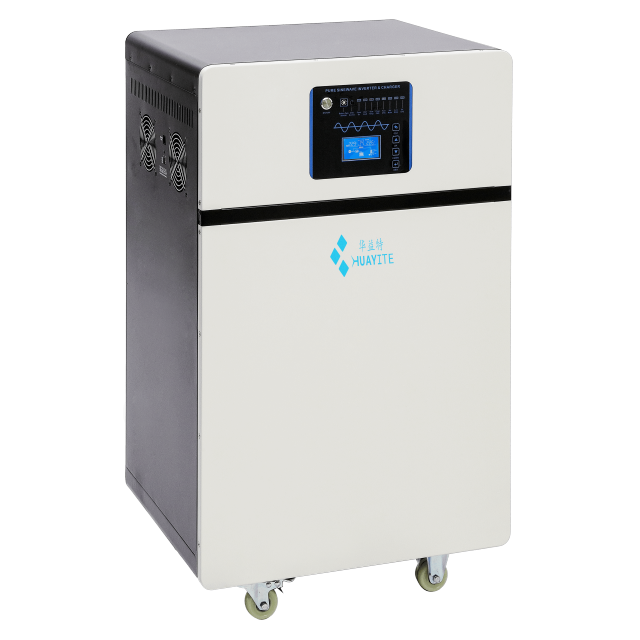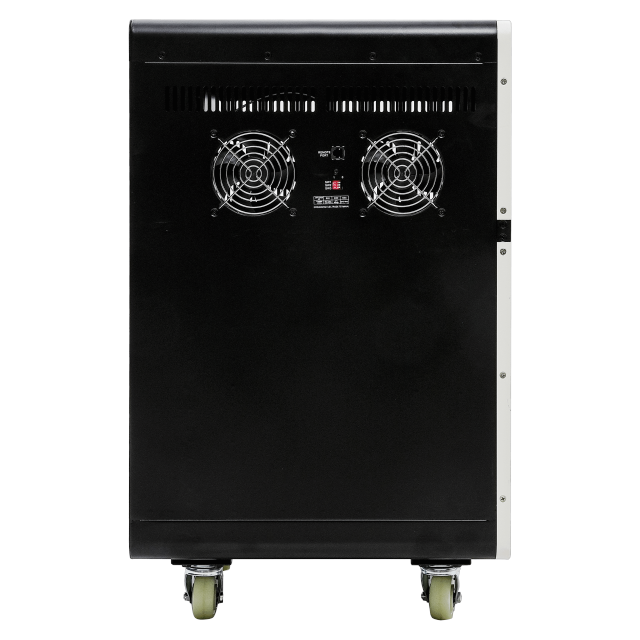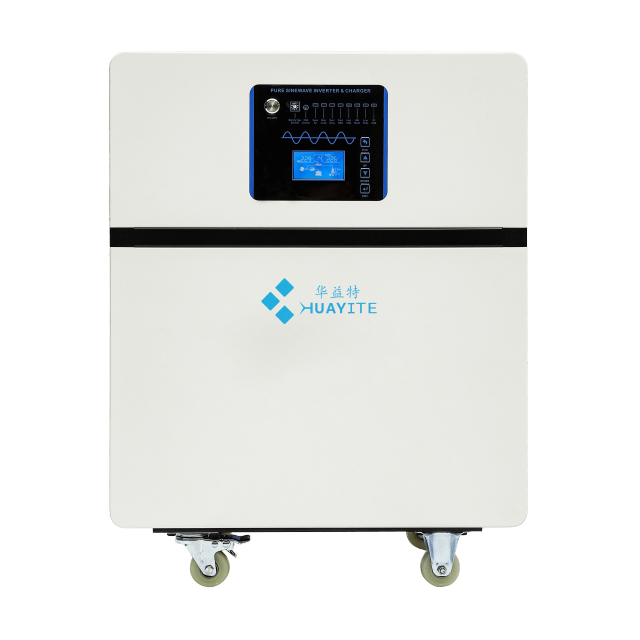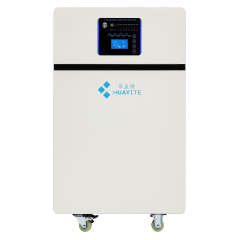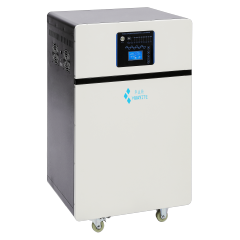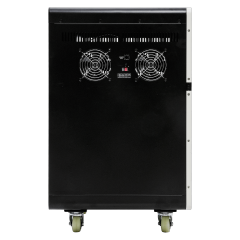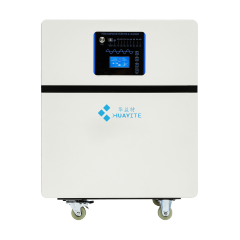
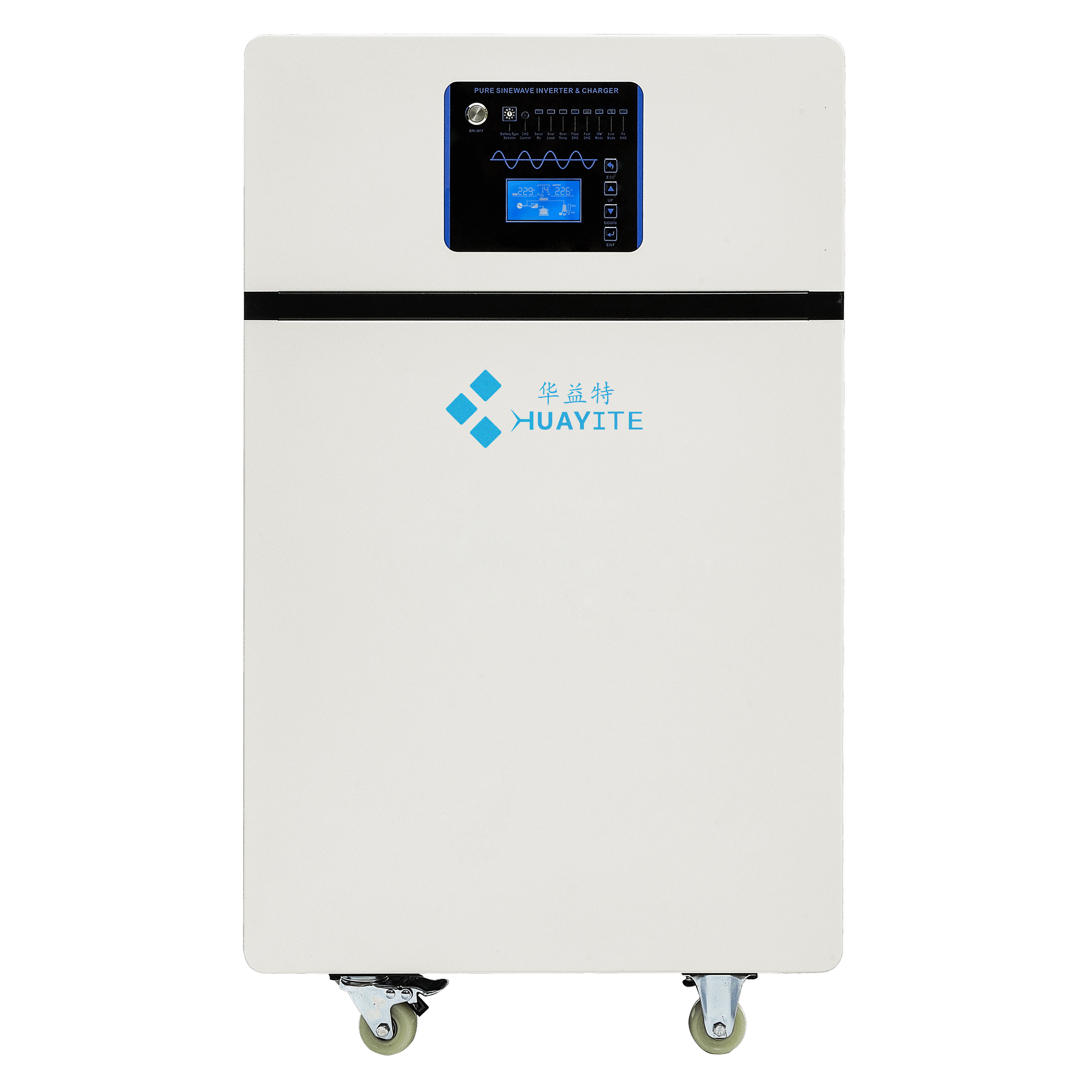
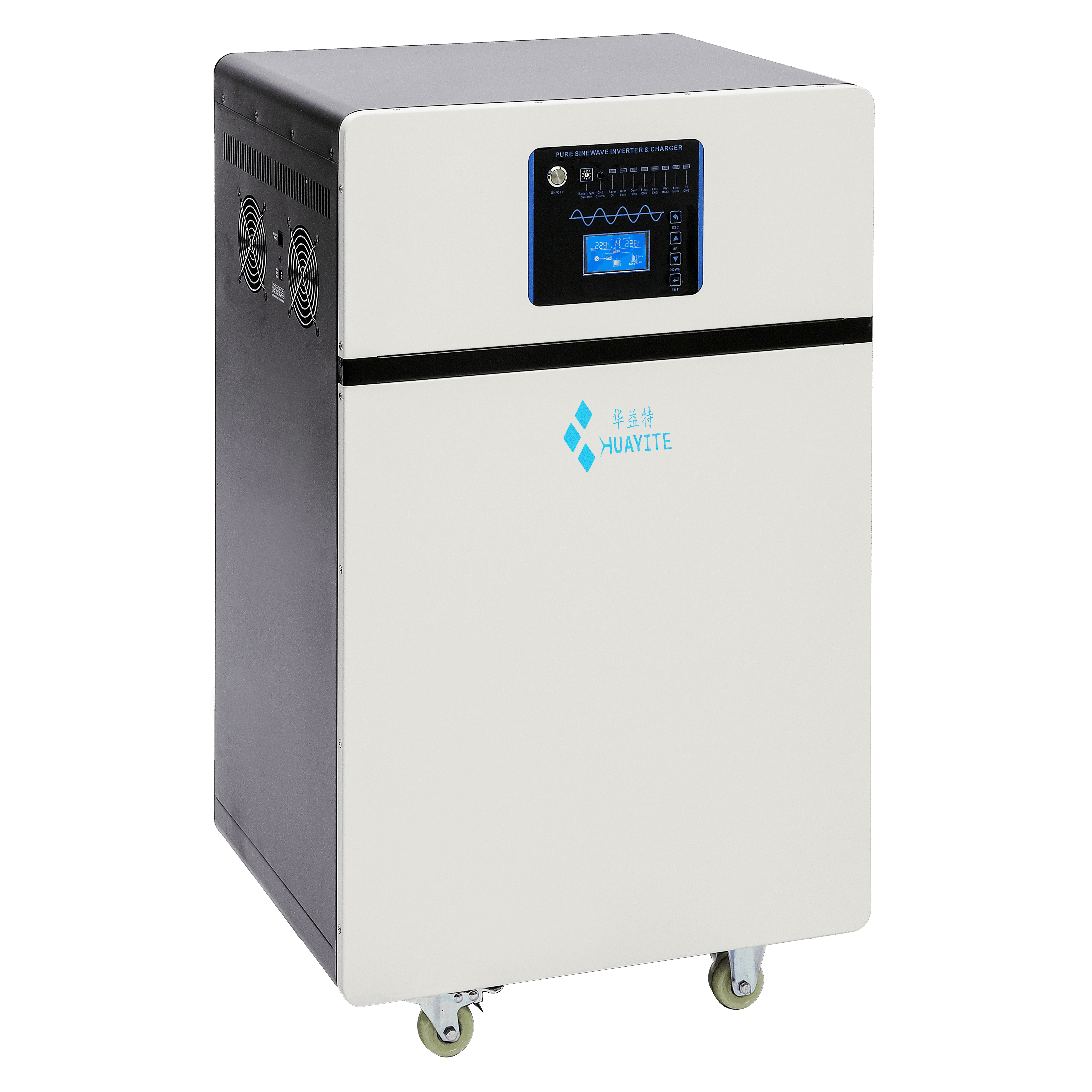
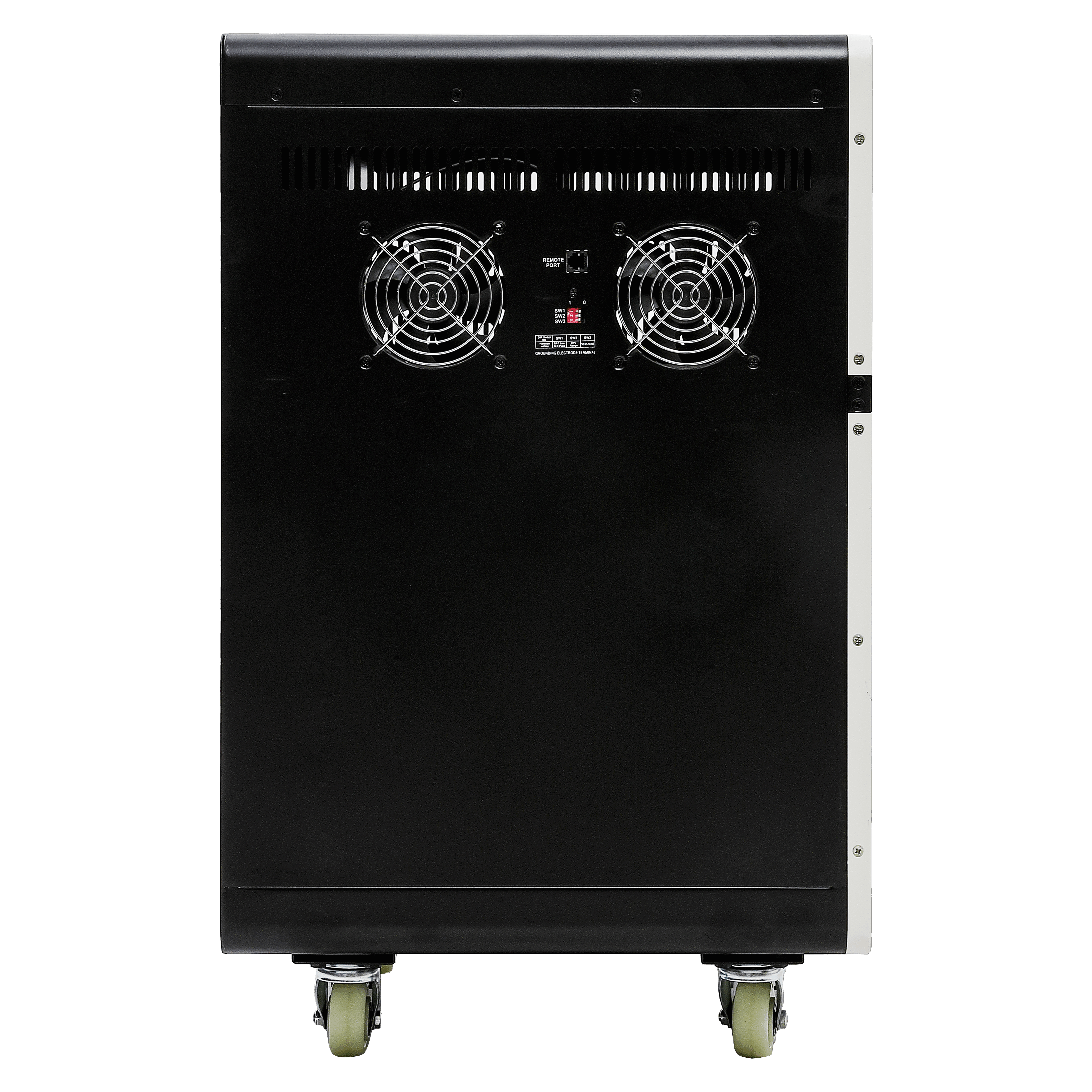
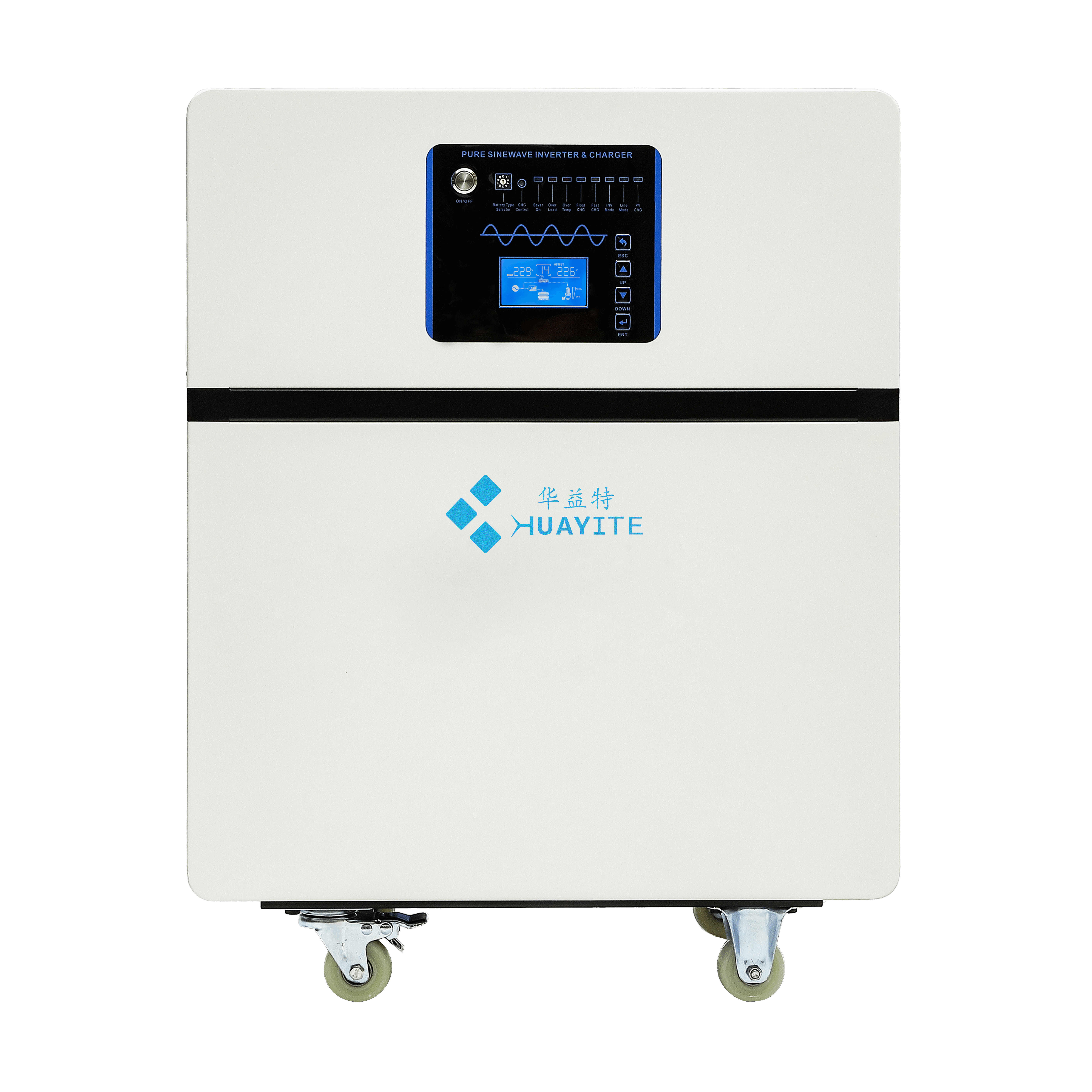

• HR Series Energy storage unit (off-grid low-frequency solar inverter * lithium battery)
  • HR Series Energy storage unit (off-grid low-frequency solar inverter * lithium battery)
  • HR Series Energy storage unit (off-grid low-frequency solar inverter * lithium battery)
  • HR Series Energy storage unit (off-grid low-frequency solar inverter * lithium battery)
  • HR Series Energy storage unit (off-grid low-frequency solar inverter * lithium battery)
  • HR Series Energy storage unit (off-grid low-frequency solar inverter * lithium battery)
  • HR Series Energy storage unit (off-grid low-frequency solar inverter * lithium battery)
  • HR Series Energy storage unit (off-grid low-frequency solar inverter * lithium battery)
  • HR Series Energy storage unit (off-grid low-frequency solar inverter * lithium battery)
  • HR Series Energy storage unit (off-grid low-frequency solar inverter * lithium battery)
  • HR Series Energy storage unit (off-grid low-frequency solar inverter * lithium battery)
  • HR Series Energy storage unit (off-grid low-frequency solar inverter * lithium battery)
  • HR Series Energy storage unit (off-grid low-frequency solar inverter * lithium battery)
  • HR Series Energy storage unit (off-grid low-frequency solar inverter * lithium battery)
  • HR Series Energy storage unit (off-grid low-frequency solar inverter * lithium battery)
  • HR Series Energy storage unit (off-grid low-frequency solar inverter * lithium battery)

HR Series Energy storage unit (off-grid low-frequency solar inverter * lithium battery)

No.HR Series
 
  Inverter contains five functions of mains bypass, mains charging, solar charging, inverter, Ups, fully automatic switchin
  The eficiency is 3..5% higher than the ordinary power frequency series, and the self-consumption is reduced by 30~.50%
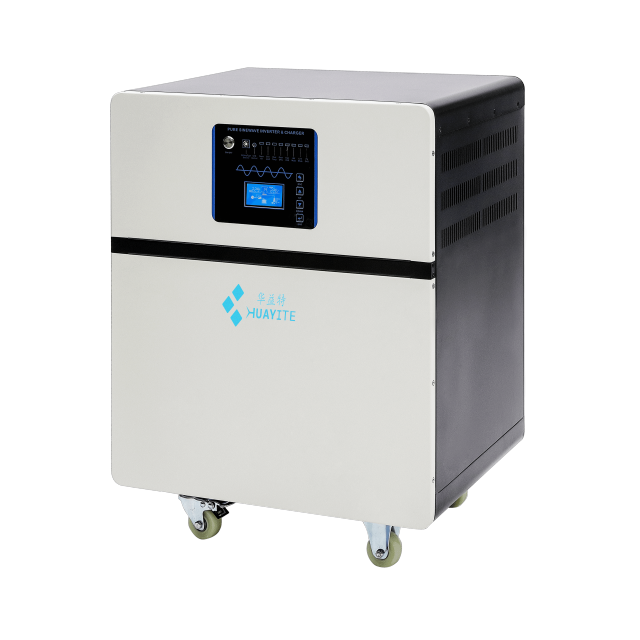
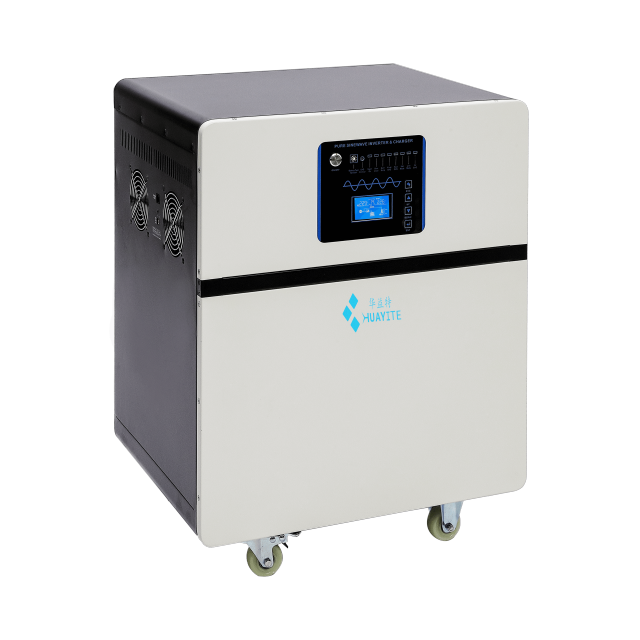
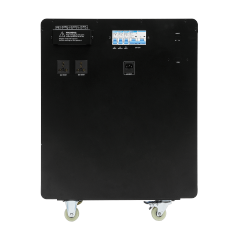
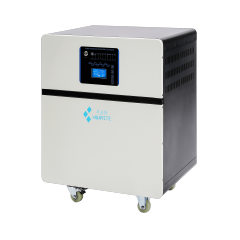
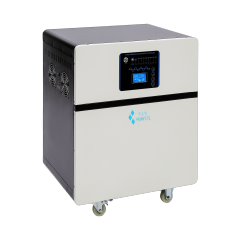
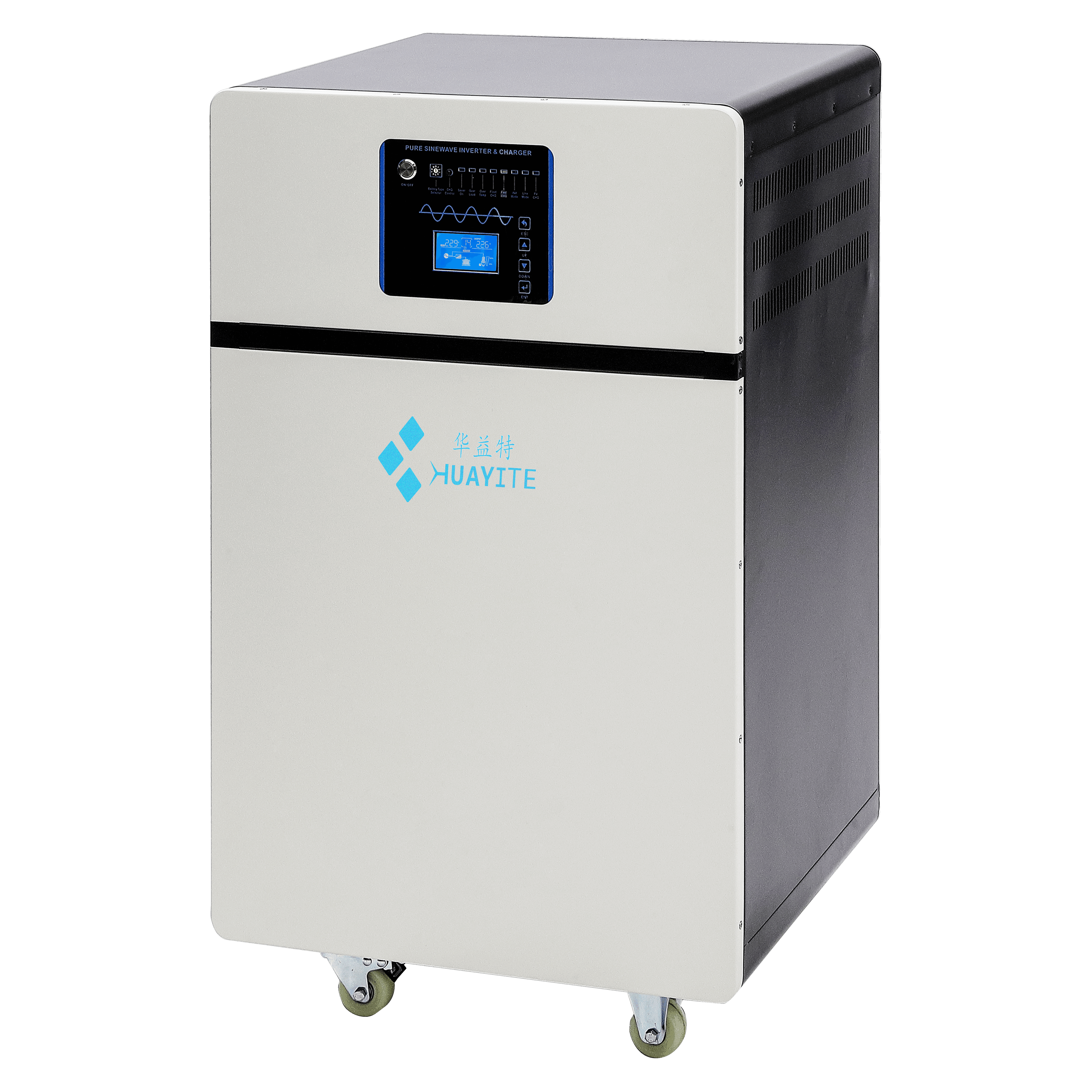
   Three-in-one function, inverter & controller & lithium battery integrated cabinet

   DlP switch selection: battery undervoltage point, input AC range, energy saving mode
  Remote Communication Interface RU11 / RJ45 / RS232 / 485 App Monitoring Remote Control Pane, WiFl APP/4G (optional)
 Pure sine wave output, input and output is completely isolated
  • HR Series Energy storage unit (off-grid low-frequency solar inverter * lithium battery)
  • HR Series Energy storage unit (off-grid low-frequency solar inverter * lithium battery)
  • HR Series Energy storage unit (off-grid low-frequency solar inverter * lithium battery)
  • HR Series Energy storage unit (off-grid low-frequency solar inverter * lithium battery)
  • HR Series Energy storage unit (off-grid low-frequency solar inverter * lithium battery)
  • HR Series Energy storage unit (off-grid low-frequency solar inverter * lithium battery)
  • HR Series Energy storage unit (off-grid low-frequency solar inverter * lithium battery)
  • HR Series Energy storage unit (off-grid low-frequency solar inverter * lithium battery)

Description

Product Overview

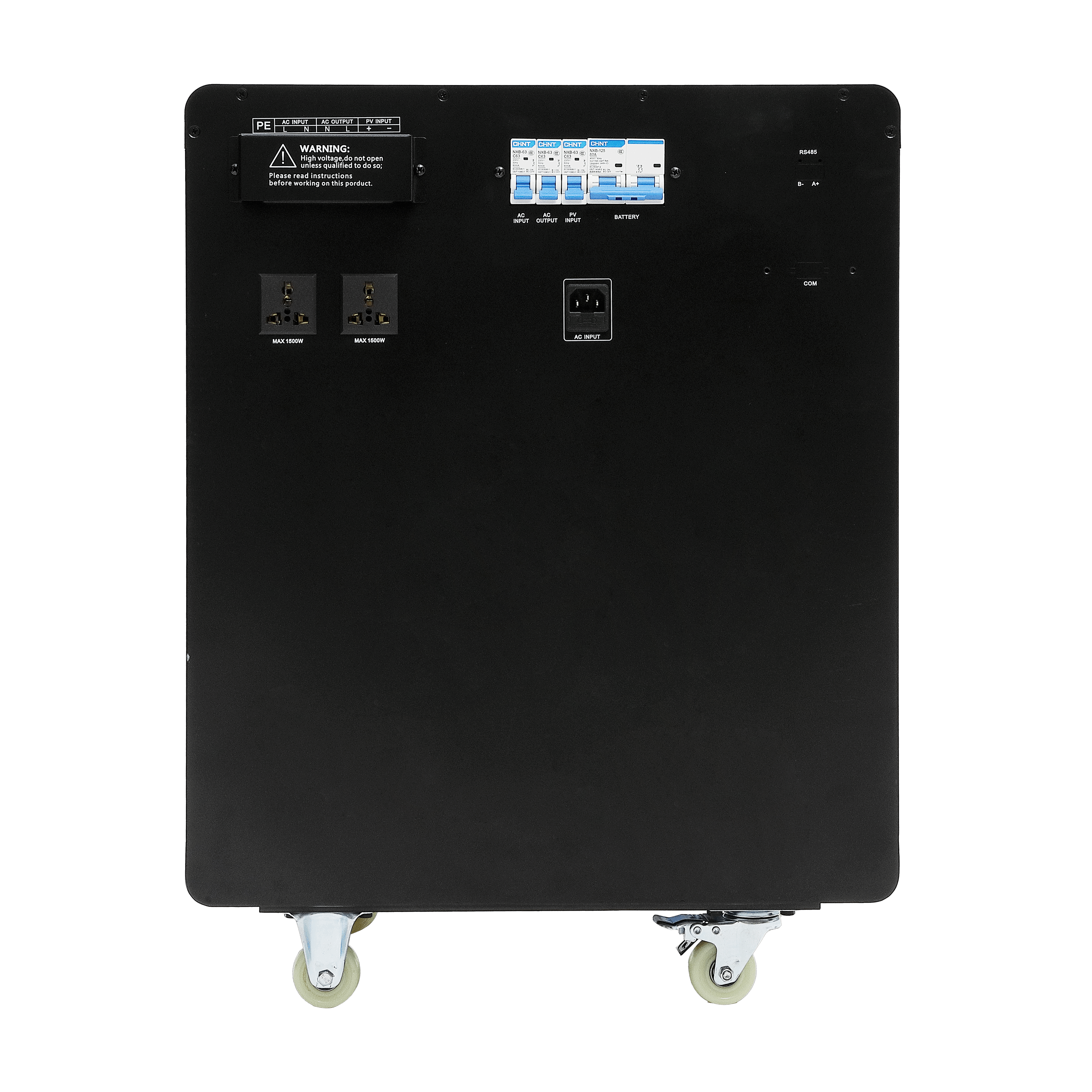
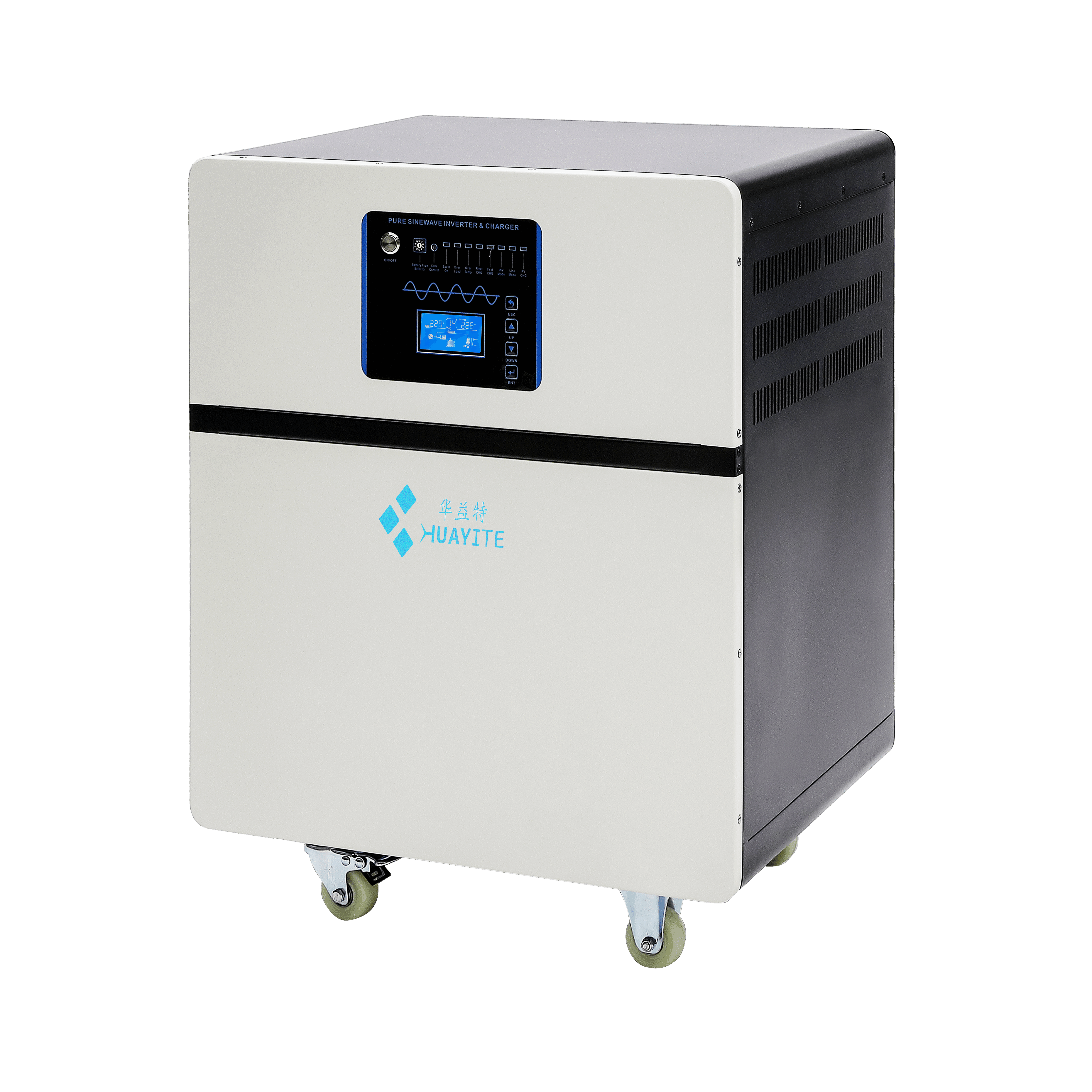
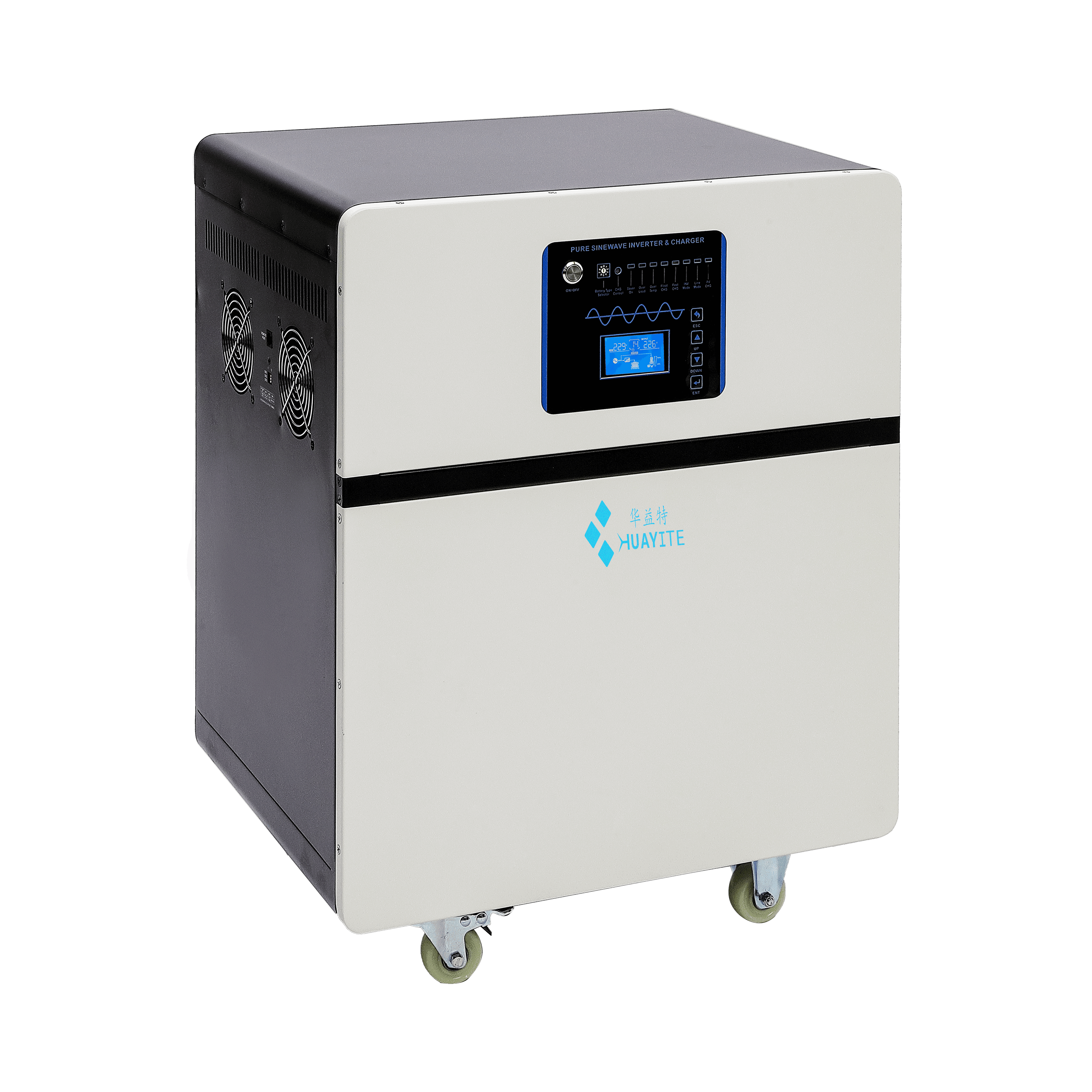
The HR Series ships as a complete off grid solar battery system rather than a box of parts. A low-frequency inverter, an MPPT solar controller and a lithium pack share one cabinet, one set of DC links and one commissioning routine, so a site that would once have needed three wall positions and the cabling between them needs one. That spread lets the same platform serve a single household, a cluster of village homes, a telecom shelter or a small commercial backup room without changing the way the unit is installed or serviced. Inside, the electronics handle five jobs — mains bypass, mains charging, solar charging, inversion and UPS changeover — and every one of them is automatic. Solar is the first source; mains or a generator tops the pack up when the weather turns; the load stays energised through the changeover without anyone on site touching a switch. Most buyers arrive with a load list rather than a model number: a distributor building a container mix, an integrator wiring a clinic or a radio site, or a mobile-power builder kitting out vehicles. That is the argument for the cabinet layout — the controller, the pack and the off grid solar inverter are sized against each other at the factory, not on a roof in the rain. If you need a solar inverter with battery already matched to a specific panel layout or vehicle fit-out, tell us the duty and we will say whether the HR Series is the right unit. The HX-PV Series solar inverter and our HS Series off-grid inverters cover other footprint and power points, and there is nothing in it for us in steering you onto the wrong one.

HR Series Energy storage unit (off-grid low-frequency solar inverter * lithium battery)

Product Advantages

  • A low-frequency stage that shrugs off motor start-up. The transformer-based low frequency inverter absorbs the inrush of pumps, compressors, refrigeration and workshop tools, so a motor starting does not brown out the rest of the building.
  • Efficiency that shows up in the yield figures. Conversion runs 3-5% higher than an ordinary power-frequency series and self-consumption is 30-50% lower, which is energy left in the pack at the end of the evening instead of heat in the cabinet.
  • Fully isolated, pure sine output. Input and output are completely isolated and the waveform is pure sine, so measurement gear, medical equipment, variable-speed drives and audio equipment run without hum or dropouts.
  • Continuous 24/7 duty. These cabinets are built for households and small businesses that run air conditioning, refrigeration and lighting through the night — the off grid lithium battery pack and the inverter are sized for that load, not for a few lights and a router.
  • One platform, six capacity steps. Solar inverter suppliers can quote a single-household site and a small commercial backup room from the same solar battery storage system family, with one commissioning routine, one spare-parts list and one training session for the installers.
  • Thresholds that can be set on site. Battery undervoltage point and AC input window are set on DIP switches during commissioning, so a 110 Vac site and a 230 Vac site, or a shallow reserve and a deep one, come off the same build.
  • Feature | What it does --- | --- Energy-saving performance | A low-load mode trims the cabinet's own draw when demand is small, so standby does not quietly eat the reserve overnight. Space-saving 3-in-1 design | Inverter, MPPT controller and lithium pack share one enclosure, replacing three wall positions and the DC cabling that used to run between them. Staged battery charging | Charge current and voltage are staged from solar, mains or generator, so the pack is not held at absorption voltage for hours on end. Premium safety and compatibility | Overcharge, over-discharge and temperature limits are handled inside the cabinet rather than by add-on protection downstream. Multi-power flexibility | Solar, AC mains and generator inputs are all accepted, with solar taking priority so the generator only runs when the pack genuinely needs it. Real-time monitoring | Wired monitoring comes as standard, with an optional WiFi/4G module for app-based reading of state of charge, charge current and alarms.

Use Scenarios

Off-grid homes and weak-grid villages. A household that has never had a reliable supply, or gets one for a few hours a day, runs lighting, fans, a refrigerator, a television and phone charging from the pack through the evening, then recharges when the sun returns or the grid reappears. In this role the cabinet is the whole plant — an off grid solar inverter, charger and battery in one enclosure that an installer can commission in a day.

Remote cabins, cottages and vehicle conversions. A cabin that sits empty for weeks comes back to a charged pack, and the same unit runs a 110 Vac or 230 Vac panel, a water pump and a small air conditioner. Owners can check state of charge from the optional app before making the trip out, which is often the difference between arriving to a working fridge and arriving to a warm one.

Telecom shelters and small commercial backup. Shops, clinics and radio sites need the lighting, the payment terminal and the link to stay up through an outage. A continuous-duty off grid solar battery system sized for a full evening's outage is cheaper to run than a generator idling all night, and it does not need refuelling.

Seasonal and high-latitude sites. Where December delivers a fraction of July's yield, the sizing conversation is about days of autonomy rather than panel watts, and the larger builds in the range carry the reserve that gets a site through a grey week.

Dealer rollouts and container projects. Solar inverter suppliers standardising a residential battery energy storage solution across a region want one platform, one spare-parts list and one training deck rather than six unrelated products, which is what a single cabinet in six capacity steps gives them.
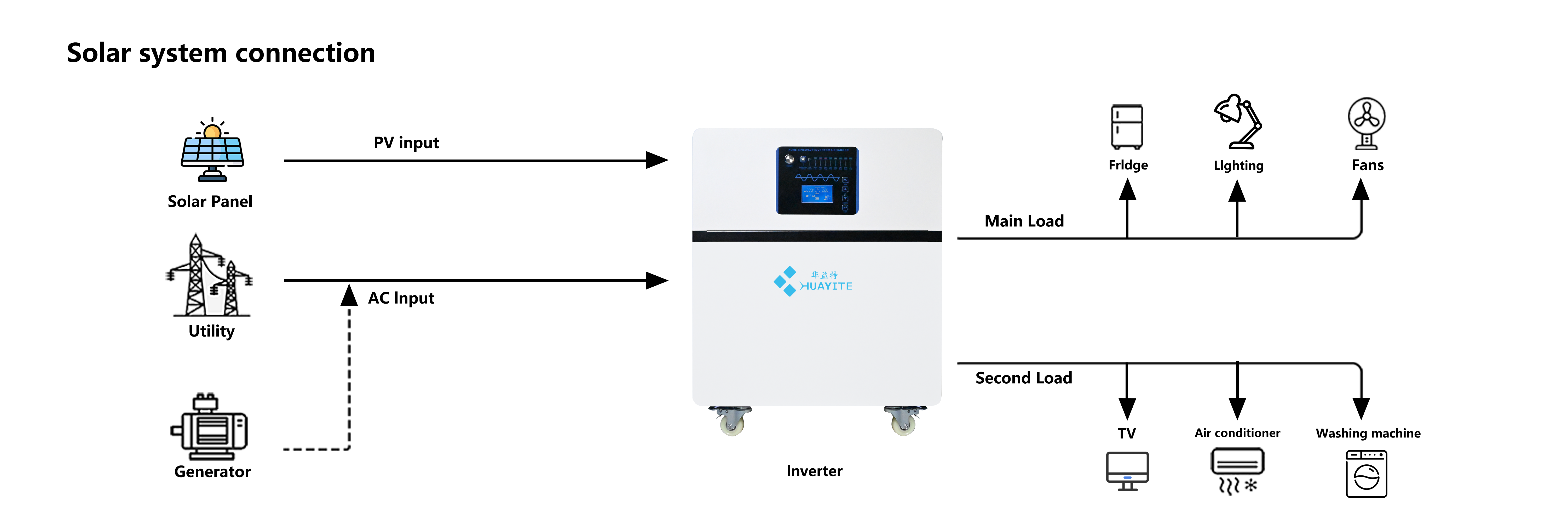
System Diagram & Wiring

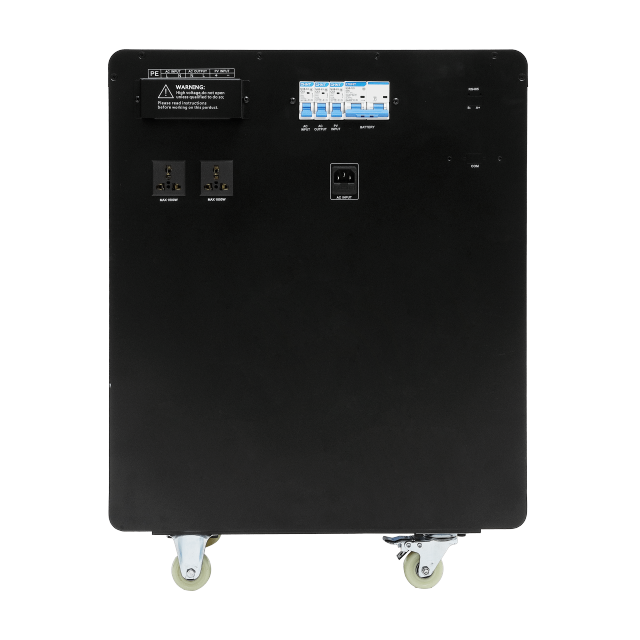
  1. Array in. The PV array lands on the MPPT input; the controller tracks the array and pushes charge into the pack.
  2. AC in. Mains or a generator connects to the AC input, which feeds the bypass path and the charger.
  3. Pack and thresholds. The lithium pack sits on the DC bus, and the settings chosen at commissioning decide the low point at which discharge stops and the window of AC input voltage the charger will accept.
  4. Inversion. The low frequency inverter section converts the DC bus into a pure sine wave supply for the distribution board.
  5. Changeover. When the AC input drops, the load transfers to the inverter output automatically; when the input returns, the load moves back and charging resumes.
  6. Monitoring link. A data pair runs from the cabinet to a local display or a computer, and the optional WiFi/4G module removes the need for that cable.
  7. Commissioning. Confirm the charge current against the pack size, run a full changeover on the load bank, and hand over with the settings written down for the next visit.
HR Series Energy storage unit (off-grid low-frequency solar inverter * lithium battery)

Specifications

Battery voltage51 .2Vdc
Rated charging voltage56.0 Vdc
Maximum charging voltage58.4 Vdc
Overcharge protection58.4 Vdc, with automatic reboot
Output voltage range40-56 Vdc
Rated output3 kW to 12 kW, 110/230 Vac
Battery capacity200 Ah / 300 Ah / 400 Ah / 500 Ah / 600 Ah
Battery energy10.24 kWh to 30.72 kWh across the six standard builds
Rated charging current50 A / 60 A / 80 A / 100 A / 120 A
Maximum charging current80 A / 100 A / 120 A / 150 A / 200 A
Maximum discharge current240 A / 300 A / 400 A / 500 A / 600 A
Charging temperature0~45 ℃
Discharge temperature0~45 ℃
Communication interfaceRS485 for LCD/CAN computer monitoring

Ordering & Delivery

  1. Send the load list. Daily kWh, peak kW, backup hours, PV array size, and whether the site has mains or a generator. Whether the job is a single home or a larger residential battery energy storage solution, those are the numbers we start from.
  2. Confirm the configuration. We come back with the build, the output voltage and the battery configuration, and we will say so if a solar inverter with battery in one cabinet is not the right answer for your site.
  3. Commercial terms. Lead time is 3-7 days for standard models and 15-30 days for customized orders. Every cabinet carries a 2-year warranty; confirm with your sales contact how the battery and inverter sections are each covered on your order.
  4. Packing and loading. Confirm the packing plan and how many cabinets fit your container mix. We quote as solar inverter suppliers to distributors and project teams, so cabinets, inverters and controllers can usually travel on one consolidated shipment.
  5. Approve before dispatch. Ask for pre-shipment photographs and the test sheet for your build if your own process requires them.
  6. Documents and dispatch. Your sales contact sends the shipping documents and the commissioning pack for the build on the order.
  7. - Datasheet. The full parameter table, terminal layout and capacity steps for the build you are specifying. - System drawing. The complete solar inverter with battery layout — PV input, AC input, battery, load output and monitoring terminals — on one sheet your installer can work from. - Model comparison sheet. The six builds of the solar battery storage system side by side, so a tender pack can show why one was chosen over another. - Battery documentation. Cell datasheet and BMS protocol list for the off grid lithium battery version on your order; ask for the exact protocol before you lock the system design. - Commissioning pack. Start-up sequence, threshold settings and routine maintenance points for the installer. - Compliance file. Ask which test reports and declarations are held for your destination market. We send what we hold rather than promise a standard we cannot document.

Technical Support & Model Matching

Choosing the right solar inverter with battery for a site starts with a conversation, not a catalogue number. Share your load profile, battery voltage and backup requirement, and our engineers will help you match a model from our full range and confirm the accessories that go with it. The same Shenzhen-based team, with in-house R&D and more than 20 years in the industry behind them, stays with you after delivery: wiring and commissioning guidance, fault diagnosis, and spare-part support for units already in service. For private-label projects, they also handle artwork and specification approvals before production.

FAQ

What charging sources can the cabinet take, and which one is used first?

Solar, AC mains and a generator can all charge the pack. Solar is the first source; mains or the generator only takes over when the array cannot keep up, which is what keeps fuel consumption down on sites that run a set. The off grid solar battery system also lets the charge current ceiling be set to suit the generator you have, so a small set is not asked to deliver more than it can.

Can it run air conditioning, a water pump and workshop tools?

Yes, provided the start-up surge is written into the load list. Compressors and pumps draw several times their running current for a second or two, and that surge is what the inverter has to survive. The low frequency inverter stage is chosen for exactly this duty. Send the nameplate figures for the largest motor on the site and we will check the build against it before you order.

How do I choose between the capacity steps in the range?

Start from evening consumption rather than peak output. For a residential battery energy storage solution, list the appliances that run after sunset, multiply each by the hours it runs, add a margin for a grey day, and match the total to the nearest build. Panel size then decides how quickly the pack refills, so send both numbers and the choice is straightforward.

Which cells and BMS sit inside, and what protocol do they speak?

The pack is a 51.2 Vdc lithium unit, and the exact cell format and BMS protocol vary with the build you specify. Ask for the cell datasheet and the protocol list for the off grid lithium battery version on your order before you lock the system design. If your monitoring platform needs a particular protocol, tell us at quotation stage and we will confirm what that build can support.

Can the unit be supplied for a 110 Vac site?

Output is 110/230 Vac depending on the build, and the AC input window is set at commissioning, so the same platform covers both. Say which market the off grid solar inverter is going into when you request the quote, because the output configuration and the compliance documents both follow from that.

What does the cabinet need around it on site?

Plan for front access to the terminals, ventilation for the cabinet, and a cable route that keeps DC and AC separated. Ambient temperature matters more than most installers expect, so a shaded plant room or a wall out of direct sun is a better home for the solar battery storage system than a metal container roof. Ask us for the footprint and weight of the build you are ordering before you cast a plinth.

Advanced Features

Energy-Saving Performance.

Space-Saving 3-in-1 Design.

Intelligent Battery Charging.

Premium Safety & Compatibility.

Multi-Power Flexibility.

Real-Time Monitoring.

System Diagram

Download